Discover A Step Back in Time in Fukushima
 stilljapan.ctrl
Nestled in the mountains of Fukushima Prefecture in Tohoku, Ōuchi-juku is a beautifully preserved post town that dates back to the Edo period. Once a vital stop along the Aizu-Nishi Kaidō trade route, this village retains its traditional thatched-roof houses, narrow streets, and historic atmosphere. Walking through Ōuchi-juku feels like stepping back in time, offering travelers a glimpse into Japan’s rich cultural heritage. The town’s peaceful surroundings, wooden bridges, and scenic mountain views make it an ideal destination for photographers and history enthusiasts alike.
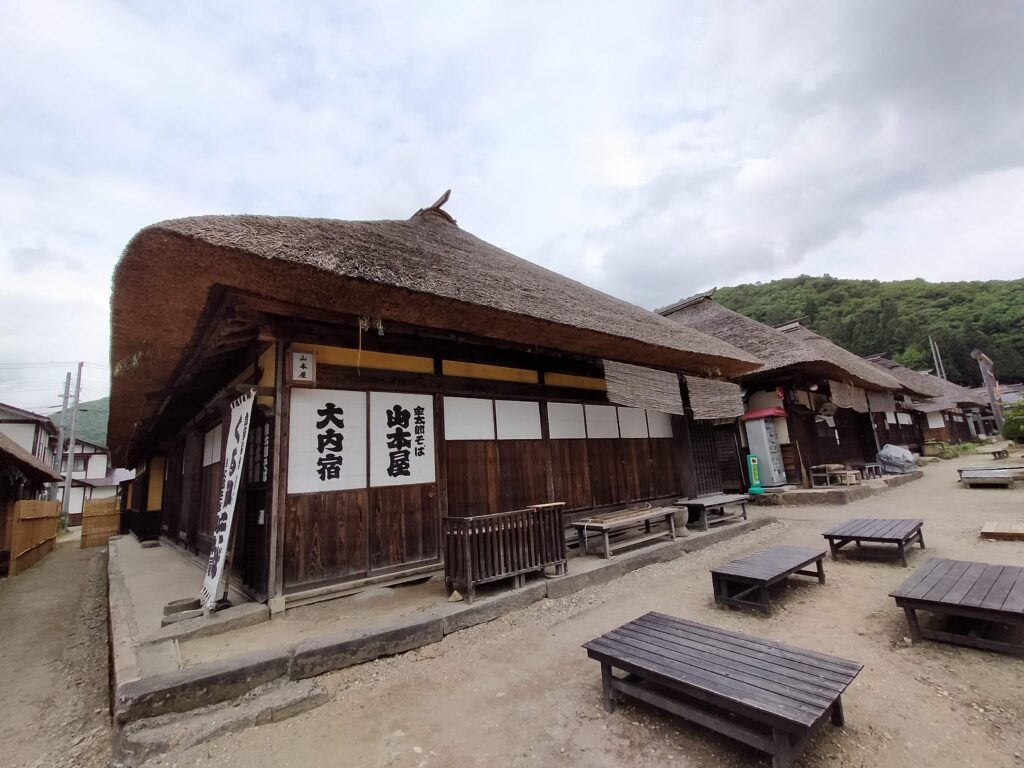
Traditional Thatched-Roof Houses
Ōuchi-juku is famous for its Edo-period thatched-roof houses (kayabuki), lining narrow streets. Many serve as traditional inns, restaurants, and souvenir shops, preserving historic charm.
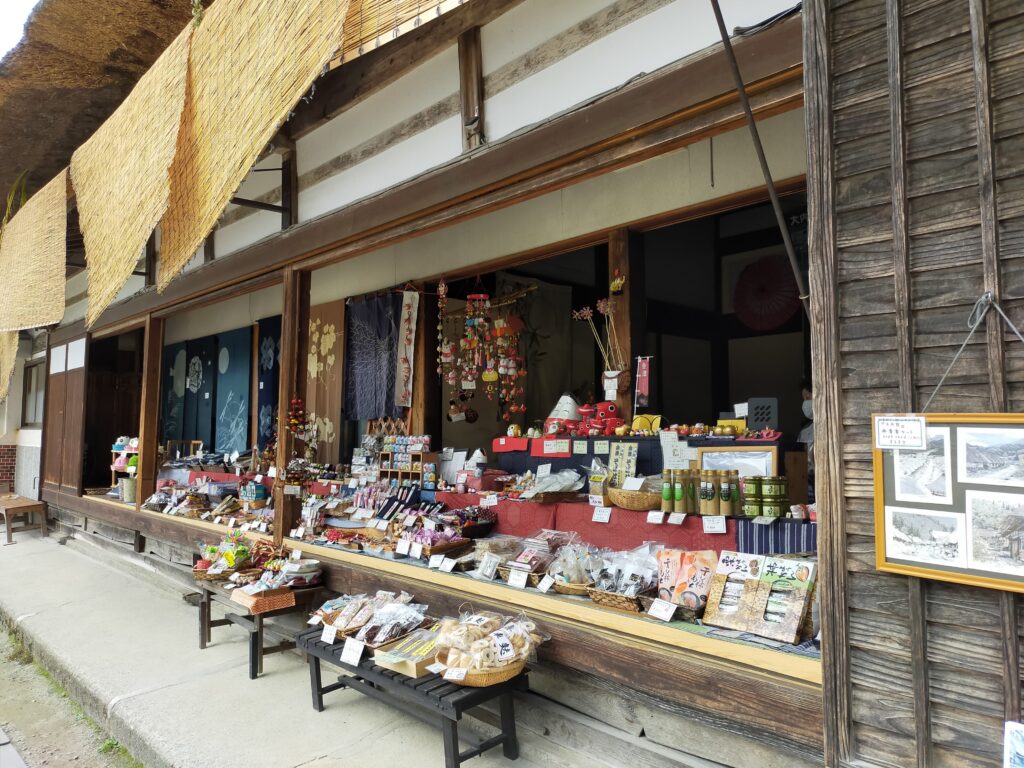
Traditional Souvenirs to Buy
Ōuchi-juku offers traditional souvenirs like wooden crafts, pottery, Aizu lacquerware, Edo-period sweets, and local soba noodles, preserving Japan’s historic charm.
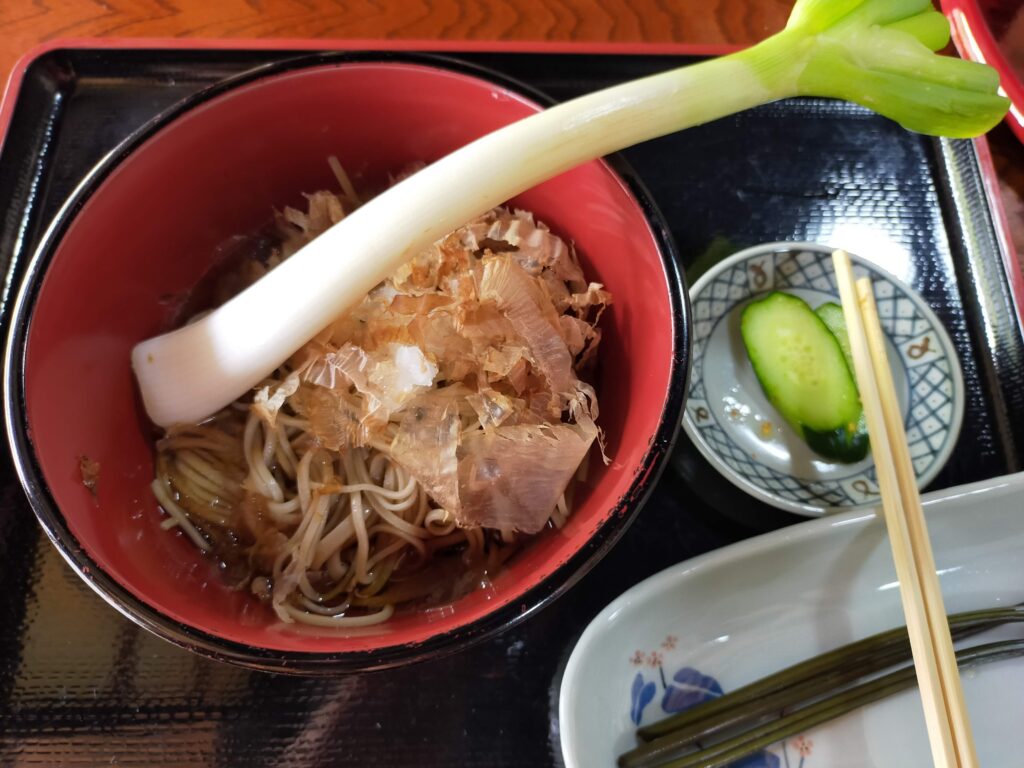
Negi Soba at Yorozuya
At Yorozuya in Ōuchi-juku, try the famous Negi Soba, served with green onions used as chopsticks. This unique Edo-period specialty offers authentic local flavor.
Ōuchi-juku is not just about historical architecture—it’s also a hub for authentic local experiences. Visitors can enjoy traditional Japanese sweets, handcrafted souvenirs, and regional specialties such as soba noodles, which are served in unique hollowed-out wooden bowls. Local artisans often showcase their crafts, giving tourists a chance to appreciate traditional techniques and even try their hand at pottery or weaving. Seasonal festivals and events further bring the town to life, allowing visitors to witness Edo-period customs and ceremonies firsthand.
Getting to Ōuchi-juku is relatively easy, yet its location in the mountains ensures a peaceful and authentic experience away from crowded tourist areas. The town is accessible by bus from major stations like Aizu-Wakamatsu, and walking is the best way to explore the scenic streets. Visiting in different seasons offers unique perspectives: autumn paints the town in vibrant reds and golds, while winter blankets it in snow, creating a postcard-perfect scene. To make the most of your trip, consider staying in nearby ryokans or guesthouses, which provide traditional Japanese hospitality and an immersive cultural experience.