A Must-Visit Cultural Treasure in Hiroshima
 stilljapan.ctrl
Itsukushima Shrine, located on the scenic Miyajima Island in Hiroshima Prefecture, is one of Japan’s most famous and photogenic landmarks. Known worldwide for its “floating” torii gate, which appears to float on the Seto Inland Sea during high tide, this UNESCO World Heritage site offers visitors a unique blend of history, spirituality, and natural beauty.
A Historic and Spiritual Treasure
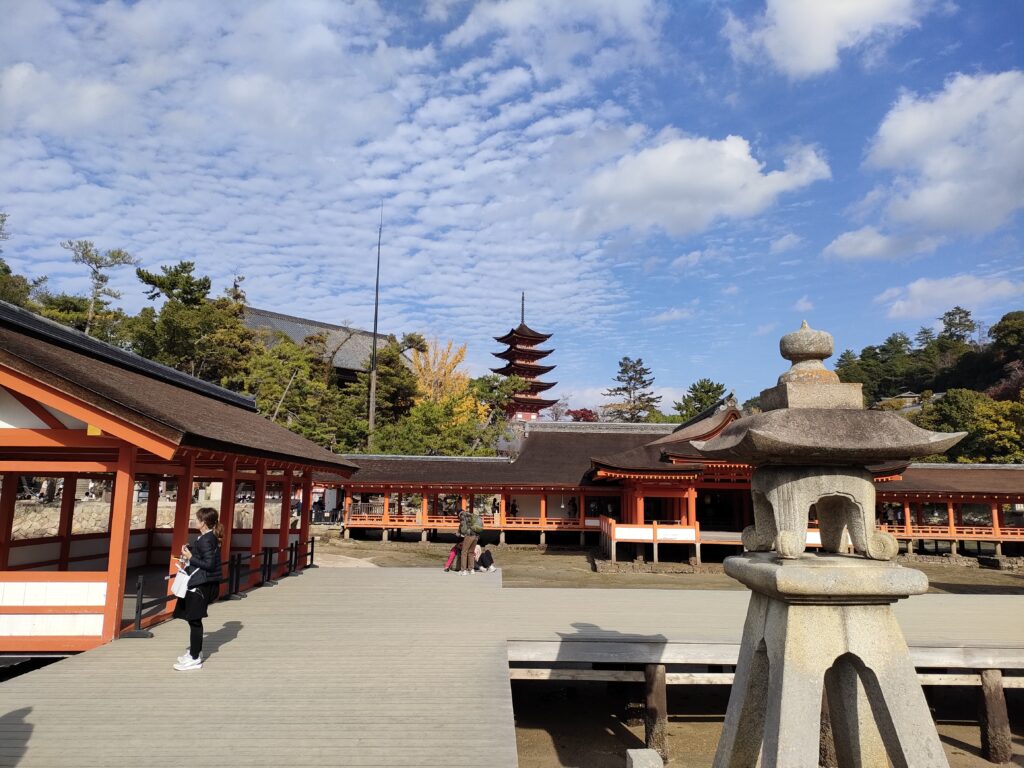
Dating back to the 6th century, Itsukushima Shrine is dedicated to the Shinto deities of seas and storms. The shrine’s architecture is designed to appear as if it is floating above the water, symbolizing harmony between humans and nature. Its vermilion-colored gates and elegant wooden structures create a striking contrast against the lush green mountains and deep blue sea, making it a photographer’s paradise.
Visitors can explore the main hall, the prayer hall, and the beautiful boardwalks that stretch over the tide. The shrine’s design reflects the traditional Shinto philosophy, emphasizing simplicity, nature, and spiritual connection.
The Iconic Floating Torii Gate
The torii gate at Itsukushima Shrine is perhaps the most recognized symbol of Japan worldwide. During high tide, the gate seems to float effortlessly on the water, creating an unforgettable scene. At low tide, visitors can walk up to the gate and take close-up photos, offering a completely different perspective. Sunrise and sunset provide the most stunning views, with soft light illuminating the vibrant vermilion gate against the calm waters.
Explore Miyajima Island
Miyajima Island is more than just the shrine. The island is covered with dense forests and hiking trails, including Mount Misen, which offers panoramic views of the Seto Inland Sea. Friendly deer roam freely, adding charm and photo opportunities throughout the island. Visitors can also enjoy traditional Japanese streets lined with souvenir shops, local delicacies, and tea houses.
Practical Tips for Travelers
- Best Time to Visit: Early morning or late afternoon to avoid crowds and capture the best photos. Spring and autumn offer pleasant weather and stunning natural scenery.
- How to Get There: The easiest way is by taking a short ferry from Miyajimaguchi Station in Hiroshima, which takes about 10 minutes.
- Local Food: Don’t miss Hiroshima-style oysters, grilled momiji manju (maple leaf-shaped cakes), and fresh seafood from local restaurants.
- Cultural Etiquette: Be respectful at religious sites, remove shoes when required, and avoid loud noises near prayer areas.
Why You Should Visit
Visiting Itsukushima Shrine is more than sightseeing; it’s a journey into Japan’s cultural and spiritual heritage. Whether you are a history buff, a photographer, a nature lover, or simply someone seeking tranquility, Miyajima Island and Itsukushima Shrine offer an unforgettable experience. From the iconic floating torii to serene forest trails and delicious local treats, this destination embodies the charm and beauty of Japan.